Dorothy Day’s Complicated Cause
for Sainthood
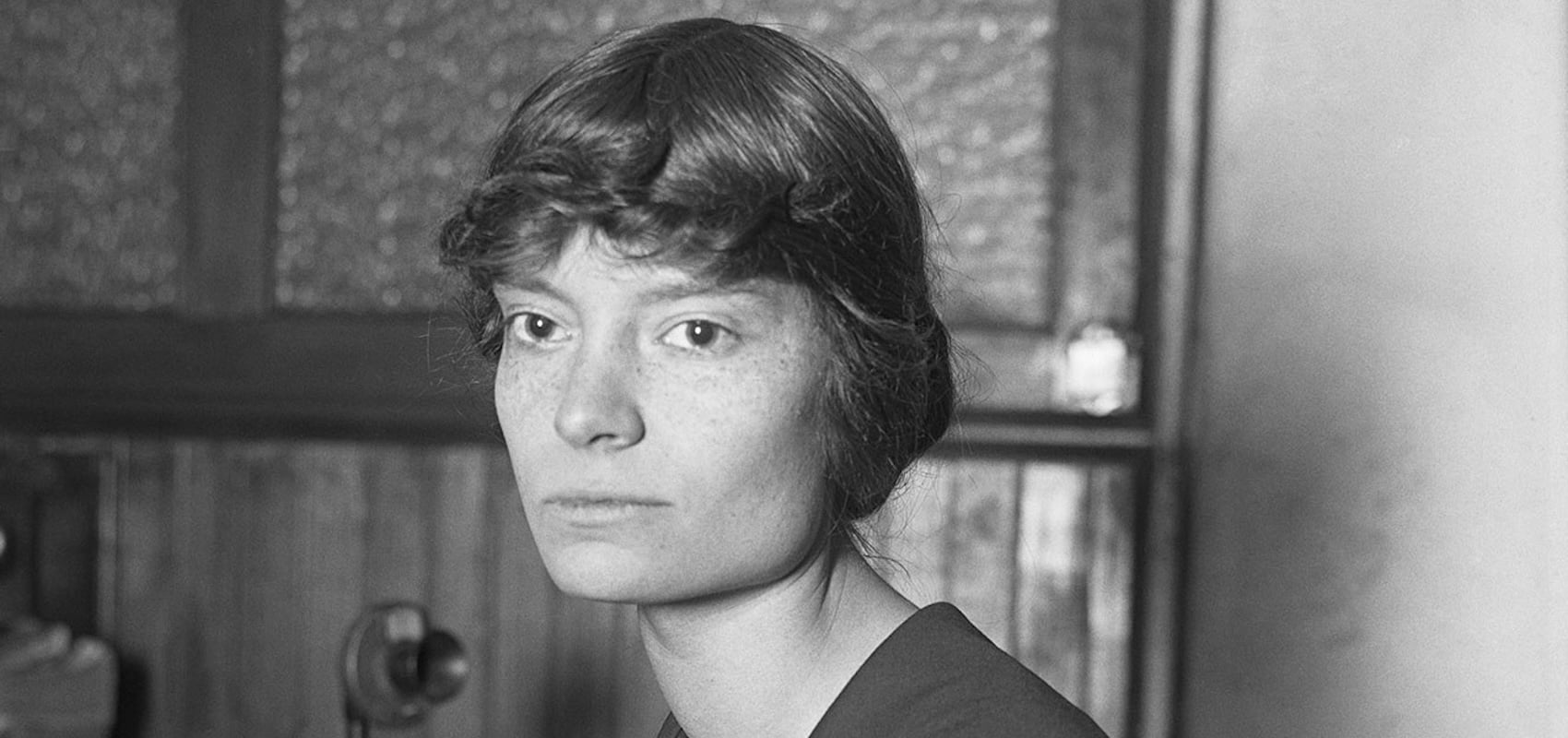
Twenty-six years ago, John Cardinal O’Connor launched Dorothy Day’s candidacy for sainthood: “It has long been my contention that Dorothy Day is a saint—not a ‘gingerbread’ saint or a ‘holy card’ saint, but a modern day devoted daughter of the Church, a daughter who shunned personal aggrandizement and wished that her work . . . might be the hallmark of her life rather than her own self.” Cardinal O’Connor’s petition was met with support, and Day was declared a servant of God by the Vatican. In 2012, the U.S. Conference of Catholic Bishops unanimously recommended moving forward with her canonization cause. Pope Benedict XVI spoke well of Day. There matters have rested.
Slow roads to canonization are not uncommon in the Catholic Church. The multi-step process is characterized by painstaking investigation. However, there arguably has never been a case as complicated or extreme as Dorothy Day’s. Her extraordinary life inspires comments like Cardinal O’Connor’s. At the same time, no saint has ever presented the radical opposition to the state or its right of self-defense as Day did. Day wrote, spoke, and acted like a prophet. She sought radical changes in society, and it is unclear whether these activities were even close to aligning with longstanding magisterial teachings. It is in these details that the biggest questions for the Vatican reside, a point hinted at by the fact that throughout the Catholic world many respect what Dorothy Day did but few listen to what she preached.

No comments:
Post a Comment